
GCSE Physics (AQA)
346 videos | 23 hours
Please subscribe to watch this video.
This, and all other videos, are included in our premium subscriptions.
Premium accounts get access to all videos.
Enable autoplay to keep watching
Your browser is blocking videos from playing automatically. To turn it back on:
Safari (Mac): Click the Safari menu item in the top bar, then Settings → Websites → Auto-Play, then set Auto-Play to Allow All Auto-Play for the current website.
Safari (iPhone/iPad): open the Settings app, then Apps → Safari → Auto-Play, and select Allow All Auto-Play.
Forces
Forces and motion
Speed & Fitness
3:01
Distance, Displacement and Speed
Spec
4.5.6.1.2
- Speed of walking, running, or cycling is influenced by various factors.
- Fitness level impacts speed and endurance.
- Regular exercise leads to stronger muscles, including the heart, and increased stamina.
- Diet contributes to overall fitness.
- Younger individuals are generally fitter than older ones.
- Fitness declines with age due to weaker muscles and less efficient energy transfers.
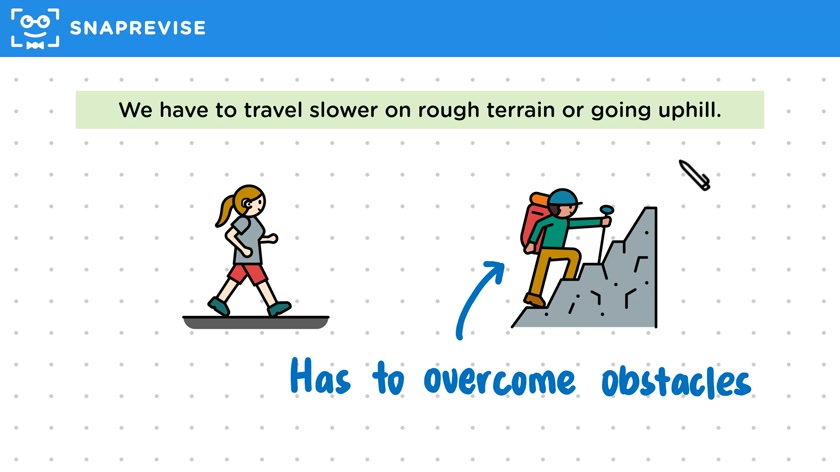
- Speed changes based on environment; rough terrain or uphill travel requires slower speeds.
- Uneven ground and uphill travel slow down movement due to lack of rhythm and work against gravity.
- Comparisons include track cycling vs. BMX cycling and pool swimming vs. open water swimming.
- Sprinters travel faster than joggers due to shorter distances at higher speeds.
- Example: 100m sprint world record vs. 10,000m run world record shows higher speed in sprinting.
- Long-distance runners pace themselves to conserve energy over longer distances.
- Engines are more efficient at slower speeds, allowing longer operation.
- Important to remember factors affecting travel speeds for exams.
Please subscribe to access these revision notes.
This, and all other video notes, are included in our premium subscriptions.
Premium accounts get access to all videos and revision notes.
Report an Issue
Spotted something wrong? Let us know and we'll take a look.