
GCSE Chemistry (AQA)
196 videos | 19 hours
Please subscribe to watch this video.
This, and all other videos, are included in our premium subscriptions.
Premium accounts get access to all videos.
Enable autoplay to keep watching
Your browser is blocking videos from playing automatically. To turn it back on:
Safari (Mac): Click the Safari menu item in the top bar, then Settings → Websites → Auto-Play, then set Auto-Play to Allow All Auto-Play for the current website.
Safari (iPhone/iPad): open the Settings app, then Apps → Safari → Auto-Play, and select Allow All Auto-Play.
Using resources
Using the Earth's resources and obtaining potable water
Potable Water: Comparison of Treatments
5:27
Producing Potable Water
Spec
4.10.1.2
4.10.1.3
- Methods for producing potable water depend on local fresh water supplies and conditions.
- Potable water is safe to drink, typically cleaned of salts and harmful microbes.
- Sourcing water locally is preferred over long-distance transportation.
- Rainy climates have abundant fresh water sources like lakes and rivers.
- Groundwater, found beneath the surface, is another source, often cleaner and requiring less treatment.
- Hot, dry areas like deserts have less rain, making potable water sourcing more difficult.
- Cities in dry regions need more infrastructure to source or import water.
- Groundwater generally requires the least treatment to be potable.
- Wells were historically a good source of clean water before modern treatment processes.
- Groundwater is naturally filtered by rocks, reducing chemicals and salts.
- Surface water like lakes and rivers is more exposed to contaminants.
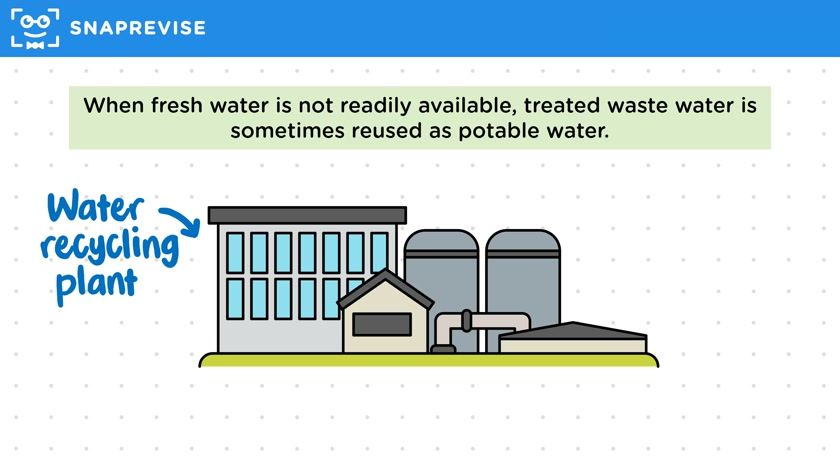
- Treated wastewater can be reused as potable water when fresh water is scarce.
- Water recycling plants make wastewater safe to drink.
- Desalinating salt water is difficult and energy-intensive, producing high-salt byproducts.
- Groundwater is the easiest to treat, followed by fresh water from rivers and lakes, then wastewater, and finally salt water.
- All water sources require filtration and sterilization to remove insoluble substances and kill microbes.
- Groundwater is least exposed to microbes and naturally filtered.
- Rivers and lakes contain more microbes and insoluble substances.
- Wastewater carries harmful microbes and needs special cleaning processes.
- Salt water is hardest to treat due to the difficulty of removing salt.
Please subscribe to access these revision notes.
This, and all other video notes, are included in our premium subscriptions.
Premium accounts get access to all videos and revision notes.
Report an Issue
Spotted something wrong? Let us know and we'll take a look.