
GCSE Biology (AQA)
331 videos | 14 hours
Please subscribe to watch this video.
This, and all other videos, are included in our premium subscriptions.
Premium accounts get access to all videos.
Enable autoplay to keep watching
Your browser is blocking videos from playing automatically. To turn it back on:
Safari (Mac): Click the Safari menu item in the top bar, then Settings → Websites → Auto-Play, then set Auto-Play to Allow All Auto-Play for the current website.
Safari (iPhone/iPad): open the Settings app, then Apps → Safari → Auto-Play, and select Allow All Auto-Play.
Bioenergetics
Respiration
Anaerobic Respiration
2:51
Types of Respiration
Spec
4.4.2.1
- Anaerobic respiration occurs without oxygen.
- The term "anaerobic" means "without oxygen."
- This type of respiration is common in animal muscles during intense exercise and results in the production of lactic acid.
- Lactic acid buildup in muscles can cause pain and cramps.
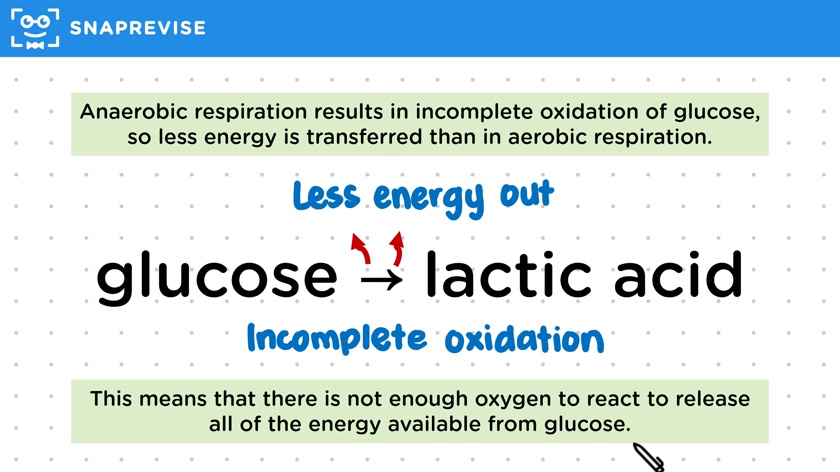
- Anaerobic respiration leads to incomplete oxidation of glucose, resulting in less energy transfer compared to aerobic respiration.
- In plant and yeast cells, anaerobic respiration produces ethanol and carbon dioxide, a process known as fermentation.
- Fermentation is crucial in the production of bread and alcoholic beverages, highlighting its economic importance.
- Carbon dioxide from fermentation helps bread rise, while ethanol is used in alcoholic drinks.
- The economic impact of fermentation is significant, with substantial spending on bread and alcohol globally.
- Despite potential negative effects on the body when oxygen is low, anaerobic respiration has beneficial applications.
Please subscribe to access these revision notes.
This, and all other video notes, are included in our premium subscriptions.
Premium accounts get access to all videos and revision notes.
Report an Issue
Spotted something wrong? Let us know and we'll take a look.