
GCSE Combined Science (AQA)
622 videos | 38 hours
Please subscribe to watch this video.
This, and all other videos, are included in our premium subscriptions.
Premium accounts get access to all videos.
Enable autoplay to keep watching
Your browser is blocking videos from playing automatically. To turn it back on:
Safari (Mac): Click the Safari menu item in the top bar, then Settings → Websites → Auto-Play, then set Auto-Play to Allow All Auto-Play for the current website.
Safari (iPhone/iPad): open the Settings app, then Apps → Safari → Auto-Play, and select Allow All Auto-Play.
Inheritance, Variation and Evolution
Reproduction
Sexual Reproduction in Plants
1:14
Sexual and Asexual Reproduction
Spec
4.6.1.1
4.6.1.2
- Flowering plants reproduce sexually using gametes.
- Male pollen from one plant lands on the female part of another flower during pollination.
- Some plants can self-pollinate as they produce both male and female gametes.
- Post-pollination, pollen and egg cells fuse to restore the full chromosome number.
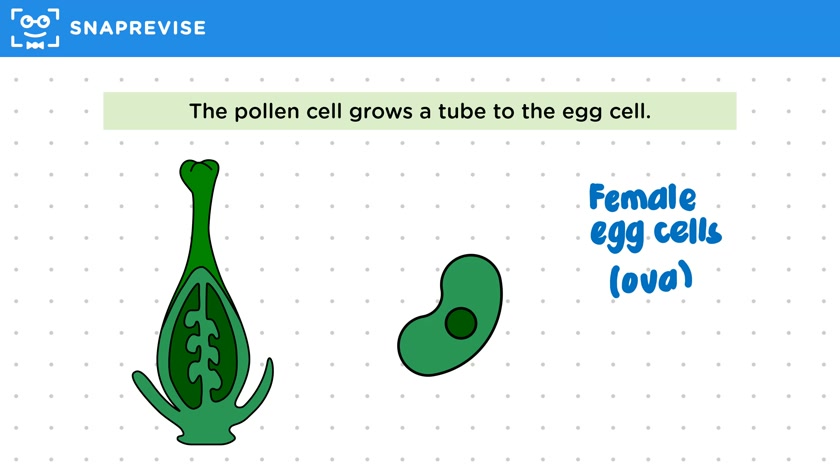
- The pollen cell grows a tube towards the egg cell located in the flower head.
- Upon contact, the pollen tube facilitates the fertilization process, restoring full chromosome numbers.
- The fertilized cell develops into fruit seeds.
- A fertilized plant eventually produces fruit containing seeds, which are ready to grow into new plants.
Please subscribe to access these revision notes.
This, and all other video notes, are included in our premium subscriptions.
Premium accounts get access to all videos and revision notes.
Report an Issue
Spotted something wrong? Let us know and we'll take a look.