
GCSE Combined Science (AQA)
622 videos | 38 hours
Please subscribe to watch this video.
This, and all other videos, are included in our premium subscriptions.
Premium accounts get access to all videos.
Enable autoplay to keep watching
Your browser is blocking videos from playing automatically. To turn it back on:
Safari (Mac): Click the Safari menu item in the top bar, then Settings → Websites → Auto-Play, then set Auto-Play to Allow All Auto-Play for the current website.
Safari (iPhone/iPad): open the Settings app, then Apps → Safari → Auto-Play, and select Allow All Auto-Play.
Using resources
Using the Earth's resources and obtaining potable water
Purifying Salt Water
4:31
Producing Potable Water
Spec
4.10.1.2
- Fresh water supplies can be limited, requiring desalination to make potable water.
- Desalination removes salt from salt water, making it safe to drink.
- Sea water contains high levels of sodium chloride, about 35 grams per kilogram.
- Potable water has low levels of dissolved salts and is safe to drink.
- Desalination is energy-intensive and expensive, making fresh water a preferable source for potable water.
- Desalination can be performed through distillation or reverse osmosis.
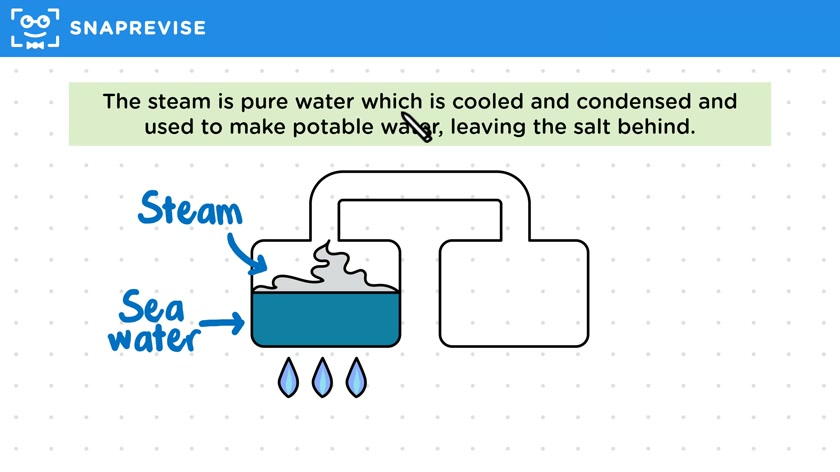
- Distillation involves boiling salt water to produce steam, which is then condensed into pure water.
- Reverse osmosis uses high pressure to force water through a membrane, separating it from salt.
- Both methods require significant energy and produce wastewater.
- Wastewater from desalination, especially from distillation, is very salty and can harm marine life if not disposed of properly.
- Understanding desalination and its methods is important for exams.
Please subscribe to access these revision notes.
This, and all other video notes, are included in our premium subscriptions.
Premium accounts get access to all videos and revision notes.
Report an Issue
Spotted something wrong? Let us know and we'll take a look.