
GCSE Combined Science (AQA)
622 videos | 38 hours
Please subscribe to watch this video.
This, and all other videos, are included in our premium subscriptions.
Premium accounts get access to all videos.
Enable autoplay to keep watching
Your browser is blocking videos from playing automatically. To turn it back on:
Safari (Mac): Click the Safari menu item in the top bar, then Settings → Websites → Auto-Play, then set Auto-Play to Allow All Auto-Play for the current website.
Safari (iPhone/iPad): open the Settings app, then Apps → Safari → Auto-Play, and select Allow All Auto-Play.
Infection and Response
Communicable Diseases
HIV
2:13
Viral Diseases
Spec
4.3.1.2
- HIV stands for Human Immunodeficiency Virus.
- Only the term HIV needs to be remembered, not the full name.
- HIV attacks and infects white blood cells, damaging the immune system.
- Initial symptoms of HIV infection are flu-like, followed by a long asymptomatic period.
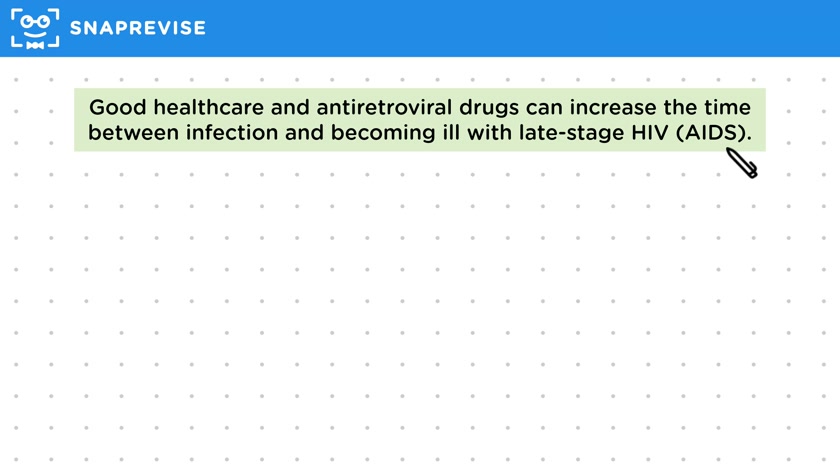
- Antiretroviral drugs can prolong the time between HIV infection and the onset of AIDS (Acquired Immunodeficiency Syndrome).
- AIDS is the late stage of HIV infection.
- HIV is controlled effectively with antiretroviral drugs.
- Advanced HIV severely weakens the immune system, making even minor infections potentially fatal.
- HIV is transmitted through sexual contact, exchange of body fluids like blood, and from mother to child during breastfeeding.
- Sharing needles among drug users also spreads HIV.
- Blood products are tested for HIV to prevent transmission.
- Preventive measures include avoiding unprotected sex and not sharing needles.
- For exams, it's important to know the transmission routes of HIV and that it can be managed with medication.
Please subscribe to access these revision notes.
This, and all other video notes, are included in our premium subscriptions.
Premium accounts get access to all videos and revision notes.
Report an Issue
Spotted something wrong? Let us know and we'll take a look.