
GCSE Biology (AQA)
331 videos | 14 hours
Please subscribe to watch this video.
This, and all other videos, are included in our premium subscriptions.
Premium accounts get access to all videos.
Enable autoplay to keep watching
Your browser is blocking videos from playing automatically. To turn it back on:
Safari (Mac): Click the Safari menu item in the top bar, then Settings → Websites → Auto-Play, then set Auto-Play to Allow All Auto-Play for the current website.
Safari (iPhone/iPad): open the Settings app, then Apps → Safari → Auto-Play, and select Allow All Auto-Play.
Infection and Response
Plant Disease
Detecting Plant Diseases
2:32
Plant Disease Issues
Spec
4.3.3.1
- Gardeners and farmers need to quickly identify diseased plants to act swiftly and prevent spread.
- Delayed response can exacerbate problems with the plant and disease spread.
- Regular observation of plants is crucial for early detection of disease.
- Signs of a diseased plant include:
- Stunted growth due to impaired photosynthesis.
- Spots or discoloration on leaves.
- Parts of the plant dying or decaying, also known as rot.
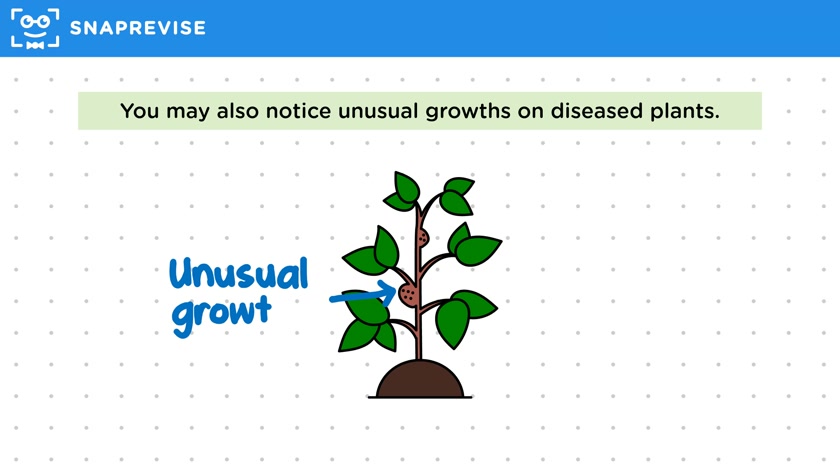
- Unusual growths on the plant, such as malformed stems or leaves.
- Presence of pests like aphids, caterpillars, or whiteflies, which can damage plants.
- Understanding these signs helps in better management and treatment of plant diseases.
Please subscribe to access these revision notes.
This, and all other video notes, are included in our premium subscriptions.
Premium accounts get access to all videos and revision notes.
Report an Issue
Spotted something wrong? Let us know and we'll take a look.