
GCSE Biology (AQA)
331 videos | 14 hours
Please subscribe to watch this video.
This, and all other videos, are included in our premium subscriptions.
Premium accounts get access to all videos.
Enable autoplay to keep watching
Your browser is blocking videos from playing automatically. To turn it back on:
Safari (Mac): Click the Safari menu item in the top bar, then Settings → Websites → Auto-Play, then set Auto-Play to Allow All Auto-Play for the current website.
Safari (iPhone/iPad): open the Settings app, then Apps → Safari → Auto-Play, and select Allow All Auto-Play.
Infection and Response
Plant Disease
Chemical Plant Defences
1:41
Plant Defences
Spec
4.3.3.2
- Plants use chemicals to defend against pathogens and deter herbivores.
- Damage from herbivores can create openings for pathogens and reduce the plant's photosynthetic area.
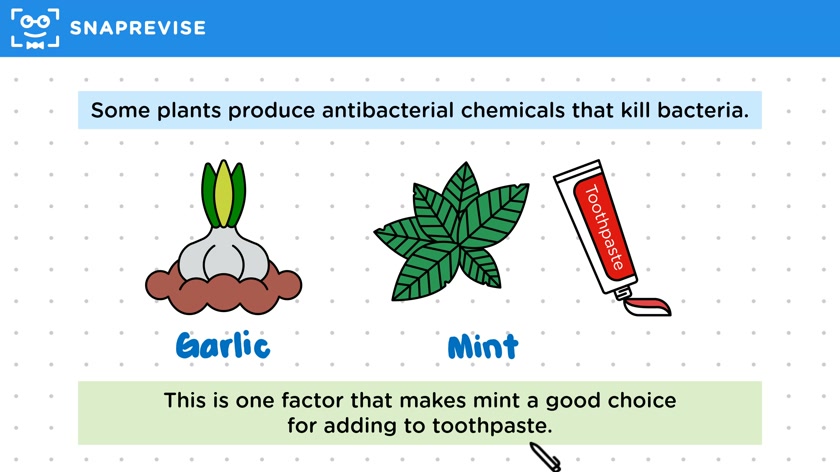
- Some plants produce antibacterial chemicals, such as garlic and mint, which kill bacteria.
- Mint is used in toothpaste due to its antibacterial properties.
- For exams, it's sufficient to know that some plants produce antibacterial chemicals without needing specific examples.
- Plants also produce chemicals that are poisonous to herbivores, such as deadly nightshade, poison ivy, and foxgloves.
- Foxgloves produce digitalis, which affects animal heartbeats and is used in heart medications.
- It's important to know that some plants produce poisonous chemicals to deter herbivores and how digitalis is used in medicine, as covered in the course.
Please subscribe to access these revision notes.
This, and all other video notes, are included in our premium subscriptions.
Premium accounts get access to all videos and revision notes.
Report an Issue
Spotted something wrong? Let us know and we'll take a look.