
GCSE Biology (AQA)
331 videos | 14 hours
Please subscribe to watch this video.
This, and all other videos, are included in our premium subscriptions.
Premium accounts get access to all videos.
Enable autoplay to keep watching
Your browser is blocking videos from playing automatically. To turn it back on:
Safari (Mac): Click the Safari menu item in the top bar, then Settings → Websites → Auto-Play, then set Auto-Play to Allow All Auto-Play for the current website.
Safari (iPhone/iPad): open the Settings app, then Apps → Safari → Auto-Play, and select Allow All Auto-Play.
Inheritance, Variation and Evolution
Reproduction
Advantages of Sexual Reproduction
2:40
Comparing Sexual and Asexual Reproduction
Spec
4.6.1.3
- Sexual reproduction produces variation in offspring, such as color, size, height, and sweetness in animals and plants.
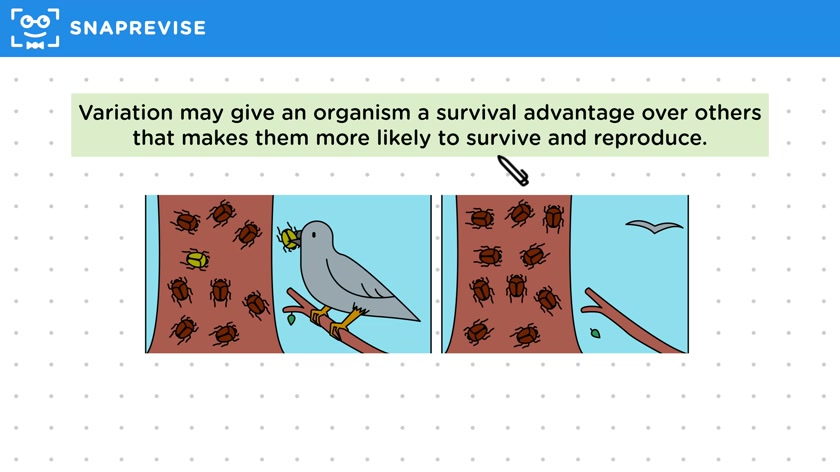
- Variation can provide advantages in survival, especially when environmental changes occur.
- Example given: color variation in beetles provides camouflage, helping some to survive predation better than others.
- This survival of certain traits over others is an example of natural selection.
- Natural selection and evolution are further explored in the course.
- Humans utilize natural selection through selective breeding, choosing plants and animals with desirable traits to reproduce.
- Selective breeding has been used for thousands of years to domesticate animals and cultivate food crops.
- Example of selective breeding: ancient wild cows (Aurochs) were bred for higher milk production, resulting in domesticated cows that are smaller and more docile.
- Selective breeding enhances food production, such as higher milk yield in domesticated cows compared to their wild ancestors.
- Understanding the general advantages of sexual reproduction is important for explaining organism survival and adaptation in exams, though specific examples like those mentioned are not required.
Please subscribe to access these revision notes.
This, and all other video notes, are included in our premium subscriptions.
Premium accounts get access to all videos and revision notes.
Report an Issue
Spotted something wrong? Let us know and we'll take a look.