
GCSE Physics (Pearson IGCSE)
Topic Summaries
Renewable energy and efficiency
Energy and the environment
- Fossil fuels will eventually run out in the next 100 years, meaning we will eventually have to switch to renewable energy resources.
- A nuclear power plant can generate much more energy than a fossil fuel power station. The resources for it are expected to last for thousands of years despite being non-renewable.
- The burning of fossil fuels causes carbon dioxide to be released into the environment, contributing to global warming.
- Nuclear power produces no pollutant gases. However, it does produce radioactive nuclear waste, which needs to be stored safely.
- Coal will also release sulfur dioxide when burned, which is a cause of acid rain.
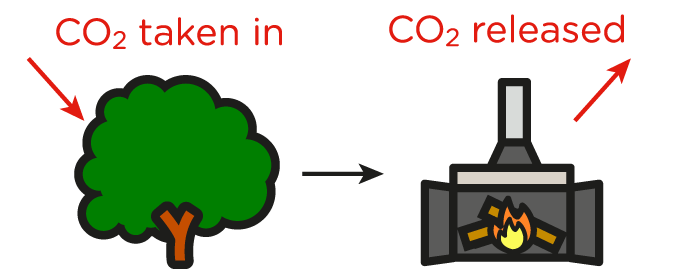
- Bio-fuels are carbon neutral, as the carbon dioxide they release is the same as that taken in before their use as a fuel.
- Power stations can have a negative effect on the areas where they are constructed.
- Wind turbines can be loud and potentially harmful to birds.
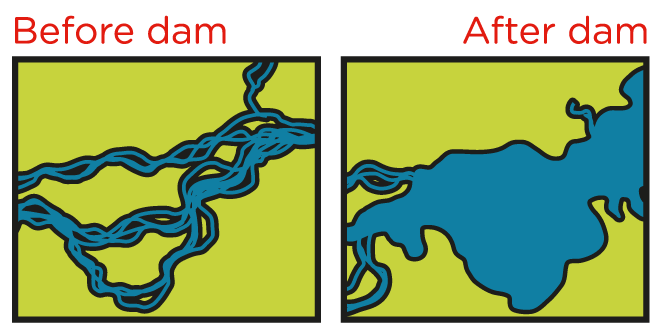
- Hydro-electric dams will cause a new lake to form behind them. This can destroy natural habitats and force people to move homes.
- Renewable energy resources, such as wind and solar, are entirely weather-dependent. Many countries have systems that switch from these resources to fossil fuels when renewable energy isn’t available.
Unlock Energy and the environment
Sign up to unlock the rest of this topic — plus every other topic, video, flashcard set and eBook guide in your SnapRevise+ subscription.
Cancel anytime — instant access the moment you sign up.
Report an Issue
Spotted something wrong? Let us know and we'll take a look.